What they don't teach in schools, practical knowledge inside
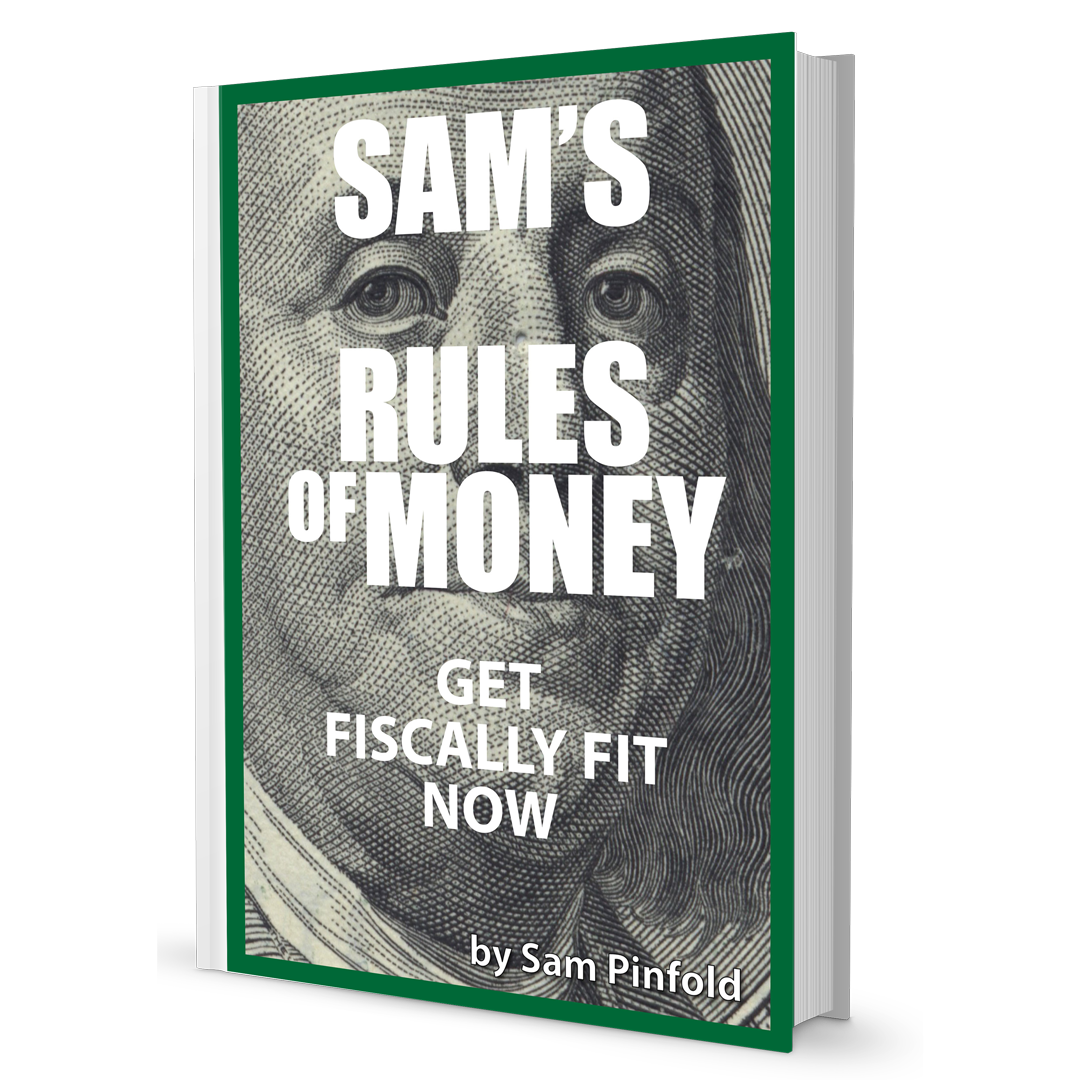
Sam's Rules of Money was written because there is no adequate formal education that provides
practical advice on the use, care, and acquisition of money.
Financial security creates peace of mind, and good decisions can only come from a clear mind.
It's time you had peace of mind so you can secure your future.
Life's richness is in the journey, not the destination.
The author behind Sam's Rules of Money and the Success Series.
Bookkeeper, Printer & Professional Driver
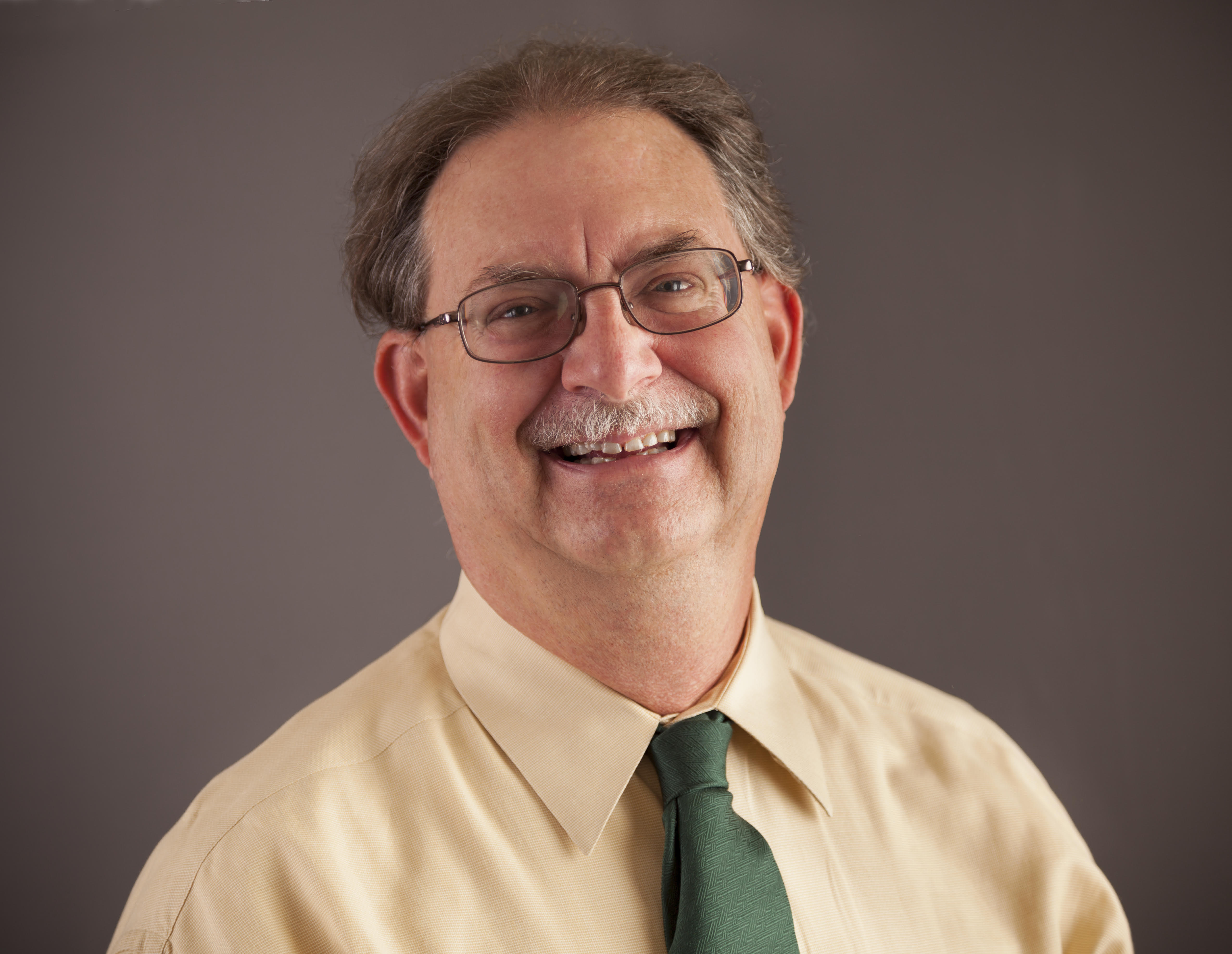
Sam Pinfold is a Bookkeeper, Printer and Professional Driver by trade. He has a keen passion
to help others who do not have education or experience for handling their own Personal
Finances – so necessary in this world for survival, and positive living. This propelled him
to write Sam's Rules of Money as part of his Success Series.
Sam has many skills and interests. He enjoys running his printing business known as
On The Mark Printing in the San Francisco Bay Area. He loves to drive and
has become a professional limo driver and tour guide to sites in California.
Sam teaches and writes on a variety of topics, always with the driving motivation to help
others. Some of his many areas of interest are grief counseling, science fiction writing and
proper smart phone and Craigslist use for personal productivity gains.
When there is time for relaxing Sam likes to visit the beach near his home to play Frisbee
with family and friends.
Areas of interest
Personal finance education
Grief counseling
Science fiction writing
Smartphone & Craigslist productivity
Running, driving & touring California
Sam's Blog
Practical advice on the use, care, and acquisition of money.
The first rule of money is Cash is King. If that is true then debt is the court
joker who sometimes wreaks havoc onto its king (cash). Why then is cash a king? It's simple
to spend, easy to calculate, and you can touch and feel the money as it's spent...
What is it? Is it safe? Why does it matter now? Are there benefits and what are
the drawbacks to having or using a cryptocurrency in your transactional life? Many
programmers and companies have long sought to create something known as the "Universal
Currency"...
The first rule of money is Cash is King. If that is true then debt is the court joker who
sometimes wreaks havoc onto its king (cash). Why then is cash a king? It's simple to spend,
easy to calculate, and you can touch and feel the money as it's spent. It brings peace of
mind in the form of increased security. It leaves the brain free to work on other pressing
calculations. The true worth of an item, meaning what is paid for it becomes very clear when
you need to replace it. Cash is universal as it is accepted almost everywhere in the world.
It's the king of spending, requiring no credit check or pre-authorization. A credit line is
not extended. It won't be denied. The transaction is complete when it's done. It is an
efficient and easy simple way of working. If you can afford to do it then do so. It saves
time.
The government owns the paper money you hold. It is spendable everywhere. Many places take
cash, make change, and dispense coinage. It's surprising when a vendor will not take cash.
They feed the burn of credit. The golden client rule is to "make it easy" to purchase the
product.
Online you will need digital cash. You will want to accept digital cash as well. Because it
will turn digital to real cash with a couple of clicks. All tractable and recorded. PayPal
is an answer to this conversion. The coming blockchain technology will further track funds
digitally. PayPal is not a bank but allows anyone with a verifiable email to bill (invoice)
and receive payment. It does not pay interest. There are many different applications now in
use. I use Cash.app owned by Square.com a PayPal competitor.
To move to cash-based life requires a #mindset shift. It's drastic. First, clean out your
wallet or purse of anything that swipes or has an expiration number. These are leaks. For
some folks, these are necessary leaks. They are a residential part of the function of life.
We are not always in control of income streams, funding options and payments to make.
Cash-based ones are flexible, prepared for any payment eventually. Control is necessary and
key. One card is fine for cash and other spending needs.
Let's be clear. A debit card is one which immediately withdraws the money from your account.
A credit card runs through different processing and works almost as fast. In that case, the
processor is one of the big three Visa/Mc/Amex. Everyone gets a cut but debit cuts them out.
There are aggregators (Square.com) who process slightly deferentially but the money moves
from the account quickly to fund transactions and lessen fraud. Try to limit or eliminate
totally the use of the fraud-ridden cards. They're still insecure even with the new chips on
the front. Cash is secure. Cards are not. Bill pay is secure when it costs little or nothing
to use.
Allow 3 weeks for a new behavior to take hold. There is a series of "firsts". These are the
first time doing, completing, or processing something. It takes a "first" to something. That
is so that the second and beyond will be easier and eventually completed without much
brainpower. The path each day is altered to reflect a lack of swiping. Locating new sources
of cash is the first to accomplish. A day creates many opportunities to buy and acquire cash.
Businesses that deal in cash only should charge less for their product or service, but not
always. Take charge of the money that is spent. It will feel uncomfortable at first but
becomes normal soon enough.
Developing new ways to spend, save and locate sources for cash-based business is fun. The
transaction will always be complete when it's done. These may be some of the same places
buying the same things. Only this time you feel the worth of the products. Asking you each
time, "It costs that much for that?" When a card is swiped it doesn't seem like THAT much,
but it really is really that much! Don't buy it. Think of a new alternative: saving that
exact money (putting it to savings use) or a solution that is cost-effective to the
situation and time.
It is time to change a mindset. Why is this necessary? Because the mind changes when it
carries money in the pocket. The attitude is now I pay my bills, not just when they're due
but now when you buy something. The action of reaching for that card is replaced by counting
out bills and change. An enlightening experience the first time through.
The credit cards are cut. Oh no, how to get the money? Did you keep one debit card right?
It's time to load up with $1000.00–$2000.00 in cash. Place this in a very secure place on
your person. Friends that I know use a money belt, and another wears a special vest to
secure her funds. I personally have a very secure special place for my immanency fund. Once
you set a system in place you will feel a change in your head without the swipe of card(s).
The body resists change.
This is how things were done before credit cards were issued or debit accounts and auto pays
came into being. Great first steps to financial freedom are to use a cash-based system,
keeping in front all the expenses and tight rein on the leaks and unnecessary spenders.
Operating this way is to act frugal, not cheap. Buying things that are needed and used.
Saving for when future things are needed. A new fund is established — it's your personal cash
fund. And only it's in your pocket now or in your special place. The value should be placed
on the items that touch the body and the items in use every day. To those items buy and use
the very best items you can afford. Do not buy things that run out or wear out prematurely.
Think about the items being bought. Gauge them against a 30-year money return, when you
might most need it. Balance the way of thinking, and buying, going forward.
The priorities in life are food, shelter, clothing, and transportation that facilitates
making money and savings creation to one day retire and enjoy the fruits of a laborious
workday. Purchase a daily coffee drink or energy drink? That is fine, pay cash for it. Feel
the value in the things you buy. Do they meet your life goal of financial independence?
Align your goals with actions that lead to that goal.
Income streams create dreams. Saving each time new funds are acquired is crucial to a plan.
Create accounts to meet the secure a long term plan. Three accounts are set up first to keep
it simple. The first is the debit account; you keep it for transacting business normally with
a slider card and access to cash. The next is an intermediate growth fund with a good long
term track record. See the 2008/2009 time frame returns to see how good they were then.
Approved are IRA's with some very nice rules and sponsored by the US Treasury. They are the
Roth IRA and Traditional IRA for the long term savings with tax advantages. Both have yearly
contribution limits. Beyond this, there are many safe solutions to access safe returns from
reputable firms for quality long term returns.
Surprised there are different accounts to manage cash? There are accounts to secure the
future. They are necessary for saving and transaction needs. Here are a cash management
system and spending program that reins in the financial leaks and gives control over the
assets accumulated that needs to be saved. Could Starbucks or energy drinks set a path
forward?
Sacrificing some comfort for security. A savvy financial plan has both a cash management
system and asset accumulation program. It lowers then eliminates debt too.
The time to start is right now. Begin by creating a system that works, try things, and let it
work out for comfort. Money markets are the place to not bank for savings. Find the lowest
cost transactional account for accumulation. This is found in the prospectus. Savings
accounts in mutual funds have annual costs, but better returns than banks. Costs should be at
or under 1% total assets of management. An upfront sales load is ok for long term money as
long as the annual return is traditionally well over the sales load charged. That is a one
time charge for managed money. Good management costs money. Collect all information in one
general binder or file folder.
Later we show the rule of 72 — a measure of how fast money doubles based on a current return
provided. The higher the return, the faster the money doubles.
The cash management system is key to a savings plan. Every excess dollar gets converted to
savings that grow. These dollars are found each day along the travels. Programs start with
as little as $1.00 a day or $25.00 per month. It is necessary to fund future independence
while changing a few things in life. Definably yes is the answer. Time and money saved now
will yield comfortable returns in the future.
Using a savings plan with constant payments is important to fund the future. These dollars
saved will use the dollar-cost averaging method to build capital. This, in turn, makes good
secure financial decisions possible for the rest of your life forward.
Set up auto deductions for saving. Matching funds from an employer is free money. Pay
yourself the maximum allowed. Maximize that to its full potential each pay period for as
long as possible.
Cash is king because it spends simply, it applies worth to each transaction and it frees the
brain to transact without concern. It's the change needed to stop leaks, plug holes and
right the ship into retirement or a comfortable financial port. It takes time and effort but
it is worth it when the time comes to use it. Start today to save. If you have started to
save, save more — because everything is sure to go up in price (inflation).
What is it? Is it safe? Why does it matter now? Are there benefits and what are the
drawbacks to having or using a cryptocurrency in your transactional life?
Many programmers and companies have long sought to create something known as the
"Universal Currency". One that can be spent anywhere and at the same time tracked or
accounted nowhere but the spender's own personal ledger. But who is to own this system of
currency if there is not one universal ledger but many, one for each holder? The answer is,
no one – yet.
Cryptocurrency is uncontrolled by any one system. There are many cryptocurrencies today.
The big two are Bitcoin and Etherium. But now there are many more "altcoins" (digital money
forms) coming to market. The lure of cryptocurrency is that this money is not in the global
banking industry. The major money centers siphon the funds that move through them. Security
is another reason to hold cryptocurrency. It is a great way to hide money. The only problem
is whether it will be there when you need to cash it into your local currency.
The market for digital currency is wild. It fluctuates on the turn of world events. The
swings in the value of Bitcoin have been astronomical. Today it is well over $5000 and last
year it was well under $2000.
The real problem is there is no intrinsic value in cryptocurrency. The value of a currency
is relative to the underlying issuing body's ability to pay. This is one reason you do not
own the cash in your pocket. It is owned by the issuing government's promise to pay you the
value of the currency when you need to collect it. Cryptocurrency is much the same but it
can be a much slower process to get real spendable funds from your crypto dollars. The value
of cryptocurrency is how much someone will pay plus the processing cost. It is possible that
one day it could become valueless. World calamity could shut off all electronics, and the
currency would disappear. (Precious metals do not have that problem but they have inherent
risks of their own.)
There are many investment seminars, clubs, and groups who invest specifically in
cryptocurrency. To me, it's a gamble. It is worth it if you have extra money above and
beyond what you have to save or invest. Why? I like the block-chain technology that is the
backbone of cryptocurrency. Also, it's a good idea to be invested in current technology. The
players will change or consolidate eventually, but if you have the extra saving/risk
dollars, it is worth investigation. Right now, it is the best game in town to beat the
banking system. The value may swing widely but those who hold on long-term and those who buy
low and sell high gain the most for their savings ahead.
Cryptocurrency is currently a speculative investment. Plan your cryptocurrency investment as
a speculation until you realize the true value and process it takes to earn with it.
Remember that there is no guarantee you will get a return on your investment.
Let me suggest an alternative that does have intrinsic value. Gold, specifically,
but precious metals, in general. Gold is a commodity used in manufacturing and also for
ornament. It can be bought as a hedge against inflation or a "flight to safety" if the world
turns sour. If you have it, others will pay handsomely for it. This is the case with anything
you and someone else both hold as valuable. Silver is much the same, but as with all real
commodities, you have to factor in the secure storage of the commodity.
All investments involve two important concepts. The first is safety, or the ability to lose
your principal investment. The other is the return on the principle (interest, capital gain).
Measure these anytime you are considering an investment.